
A completely blocked drain rarely happens overnight. More often, your pipes send out a few quiet distress calls first: a tiny pool of water around the shower grate, an odd burp from the kitchen sink, or soap scum that clings longer than usual. In Canberra’s cool winters, fats and soaps harden faster in the pipework, while the city’s mature deciduous trees send thirsty roots toward hairline cracks in older clay pipes. Spotting these early warning signs can spare you the cost and disruption of an emergency call-out. This guide walks through seven of the most common hints your drains give, explains why they appear and offers practical, low-risk checks you can try before phoning in blocked drain specialists.
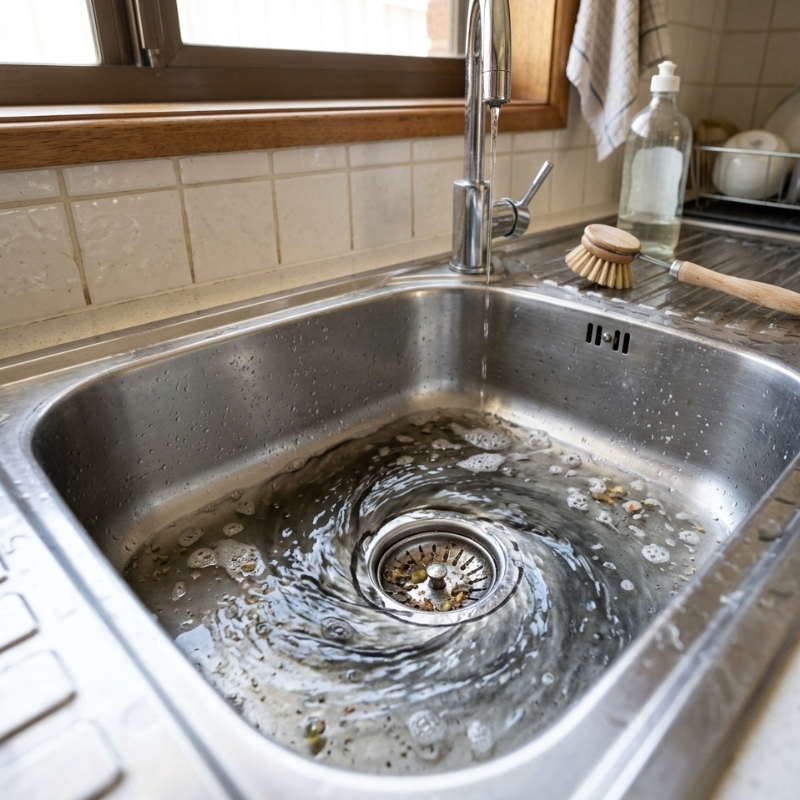
1. Water Draining in Slow Spirals Instead of a Swift Vortex
When a sink or tub is healthy, you will see a clean, fast vortex as water disappears. A slow spiral means partial obstruction or reduced pipe diameter.
Why it happens
Grease, soap, coffee grounds and hair build up on the inner wall of the pipe until they act like cholesterol in an artery.
Canberra context
In winter, indoor water temperatures dip, and fats solidify faster, so that creamy pasta sauce poured down the sink in June can cling all the way to the street connection.
Safe first checks
- Remove and rinse the plug or grate.
- Pour boiling water and a dash of dish soap down the pipe.
- If speed does not improve, avoid chemical drain cleaners, which can corrode older galvanised or copper lines.
2. Gurgling or Burping Sounds After the Water Finally Drains
That glug-glug sound is air trapped behind a partial blockage fighting to reach the vent line.
What to look for
• Noise in a different fixture – for example, the bath gurgles when the kitchen sink empties.
• Intermittent bubbling in the toilet bowl.
Common misstep
Many homeowners plunge harder when they hear gurgling. Forceful plunging can shift a soft clog deeper into the line, making professional clearing harder later.
3. Faint Musty or Sewage Smells Near Floor Wastes
Odours that come and go often indicate organic matter stuck just out of sight.
Health and compliance considerations
While small clogs typically release low-grade musty smells, any persistent sewer gas smell can carry bacteria. ACT Residential Tenancies standards require landlords to maintain safe, habitable plumbing, so tenants should report ongoing smells early.
Quick sniff test
Place a damp microfibre cloth over the floor waste for ten minutes. If the cloth picks up an odour, a partial blockage is likely.
4. Water Pooling Around Outdoor Stormwater Grates After Light Rain
Stormwater pipes collect roof runoff and yard surface water. If shallow puddles linger longer than five minutes after a shower, leaves or silt may be choking the line.
Seasonal trigger in Canberra
Autumn leaf-fall from London plane, oak and silver birch trees in suburbs such as Braddon and Curtin dumps a huge volume of organic debris onto roofs and gutters.
DIY or professional?
Scoop visible leaves and clear the grate first. If pooling returns, the pipe may already hold compacted debris. In that case, Canberra homeowners often benefit from stormwater drainage advice to avoid backyard flooding.
5. Toilet Water Level Rises or Falls for No Obvious Reason
Subtle fluctuations suggest downstream airflow is blocked, causing pressure changes that push or pull on the pan’s water seal.
Red flag pattern
• Water briefly rises after flushing another fixture.
• The bowl empties lower than normal overnight.
Both can allow sewer odours to bypass the water seal, so act quickly.
6. Soap Scum Lines Higher Up the Shower Screen
When water takes longer to drain, it sits and evaporates, leaving a tide mark of soap residue.
Easy diagnostic
Clean the screen thoroughly, then shower as usual. If the line reappears within two days, suspect a slow floor waste.
Important nuance
Hard Canberra water already causes some soap film. A suddenly higher line, not general haze, signals drainage issues.
7. Small Bubbles Rising in the Sink After the Dishwasher Finishes
Dishwashers pump wastewater forcefully. If the main kitchen line cannot cope, displaced air travels upward, forming tiny bubbles around the plug.
Why early action matters
Food grease, detergents and lint from the dishwasher create a glue-like paste. Left unchecked, it can harden, requiring mechanical clearing rather than a simple flush.
Comparison table: Minor nuisance or early emergency?
A quick way to judge whether your symptom needs monitoring or fast attention is to match it against the table below.
| Situation | What It May Mean | Suggested Next Step |
| Occasional faint smell, drains still fast | Minor organic film inside the pipe | Flush with boiling water and monitor for 48 hours |
| Slow spiral in one fixture only | Localised clog in trap or branch line | Clean grate, run hot water, reassess |
| Gurgling across multiple fixtures | Partial main line obstruction or vent issue | Book a professional inspection before the blockage migrates |
| Floor waste bubbles when toilet flushes | System pressure imbalance, likely deeper clog | Professional jet-blasting recommended |
| Water backflows into shower or laundry basin | Serious blockage at or near main stack | Urgent plumber visit to prevent overflow |
What Makes Small Clogs Worse in Canberra
• Clay pipes in older suburbs like Griffith are porous, giving tree roots easy entry.
• Colder months solidify fats faster, speeding up the build-up.
• Canberra’s water hardness encourages soap scum, compounding other debris.
Common Mistakes to Avoid
- Overusing supermarket drain cleaners – acidic products can eat away pipe joints.
- Forcing a garden hose down the pipe – high pressure without a nozzle can flood ceilings in two-storey homes.
- Ignoring minor smells – by the time odours are strong, the clog is usually extensive.
Quick Home Inspection Checklist
• Check every grated drain weekly for pooling or slow flow.
• Flush kitchen sinks with boiling water and dish soap after greasy cooking sessions.
• Empty bathroom sink stoppers of hair fortnightly.
• Inspect outdoor grates monthly, especially during autumn.
Ticking these steps often keeps a soft clog from becoming a Saturday-night emergency.
When to Call a Plumber
If two or more fixtures show symptoms, the problem is probably in the main line. At that point, jet-blasting or CCTV inspection is safest. The ACT Government stormwater guide also reminds households that unlicensed high-pressure work on sewer or stormwater systems is not permitted.
Frequently Asked Questions
1. Can I use baking soda and vinegar to clear a slow drain?
It can shift minor organic residue, but it will not break through solid grease or hair mats. If fizzing improves speed only briefly, deeper cleaning is needed.
2. How often should I clean outdoor stormwater grates in Canberra?
During peak leaf-fall (March to May), weekly checks are wise. Outside those months, monthly is usually enough unless you notice pooling.
3. Are chemical drain cleaners illegal in the ACT?
They are legal for household use but must be stored safely. Frequent use can breach warranty conditions on newer PVC plumbing and void some landlord insurance policies.
4. Does a slow drain always lead to a complete blockage?
Not always, but the odds increase if the symptom persists beyond a week, affects multiple fixtures or returns after DIY flushing.
5. Could low water pressure be confused with a slow drain?
Low pressure affects the supply side; water trickles in slowly. A slow drain affects the waste side; water struggles to exit. Lift the tap handle fully: if flow is normal but water pools, the issue is in the drain.
Final Thoughts
Tiny clues like a slow-moving vortex or a faint musty smell often appear days or even weeks before a full blockage. Catching them early saves time, money and frustration. Keep an eye on the seven signs above, run the quick checks where safe and, if symptoms spread to multiple fixtures, consider calling a qualified plumber before the problem escalates.